To master slow travel in El Nido, you must first understand the wind. Palawan’s maritime environment is governed by two distinct seasons: the Amihan (Northeast Monsoon) and the Habagat (Southwest Monsoon). Knowing how these winds shape the ocean is the key to timing your private expedition.
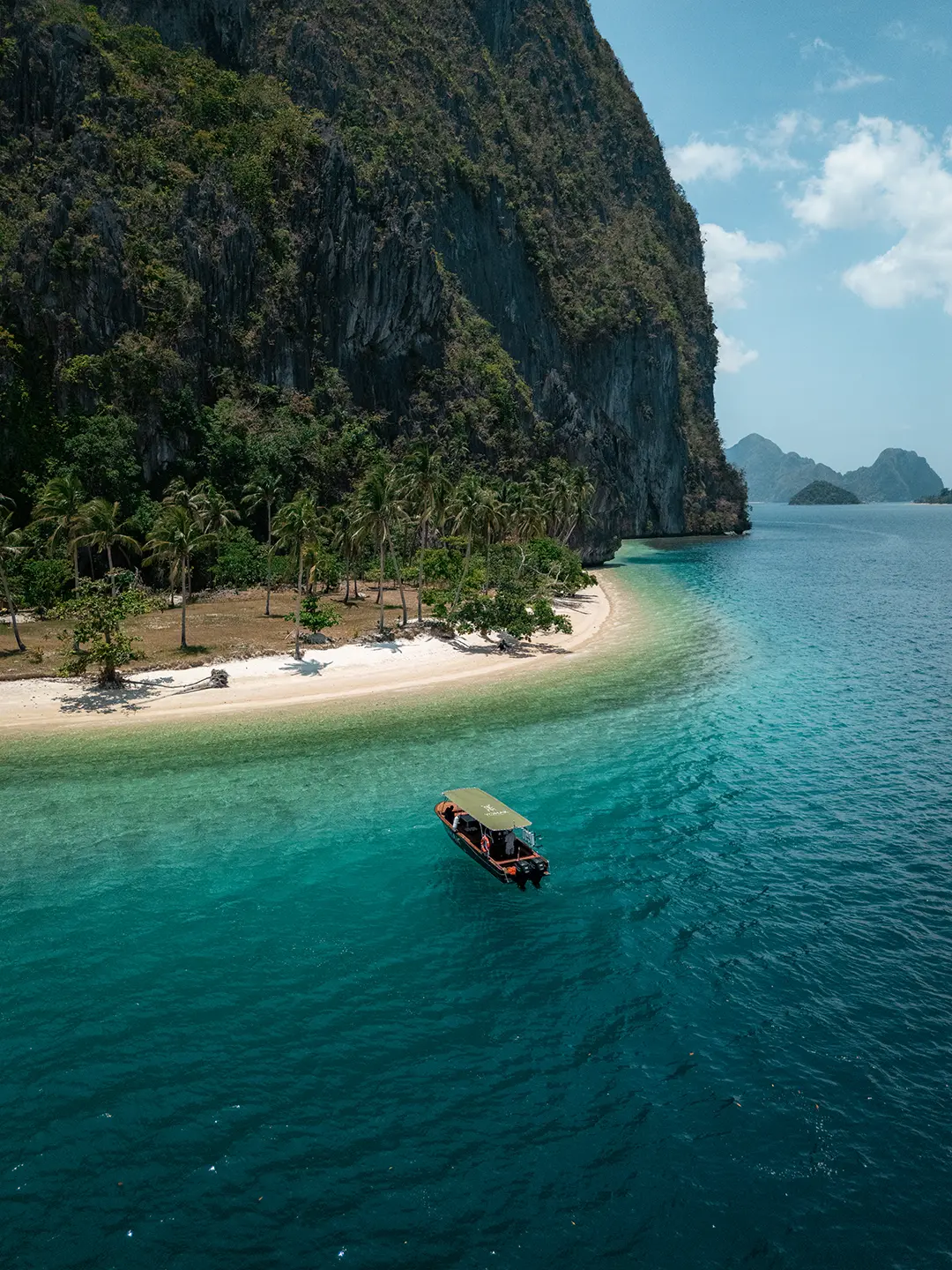
This is the definitive window for maritime exploration. The Amihan brings cooler, drier breezes from the northeast. Because El Nido’s most famous lagoons and limestone corridors face west, the towering cliffs act as a natural shield against the wind. The result is glass-like water, unparalleled subsurface visibility for diving, and a profound stillness across Bacuit Bay.
Understanding the Two Winds
As the Habagat takes over, the winds shift to the southwest, bringing heavier rains and rolling swells to the western bays. While traditional island hopping often faces Coast Guard cancellations during these months, the raw, dramatic beauty of the storms is undeniable. For the truly adventurous, this season offers the ultimate isolation, though itineraries must remain highly flexible.
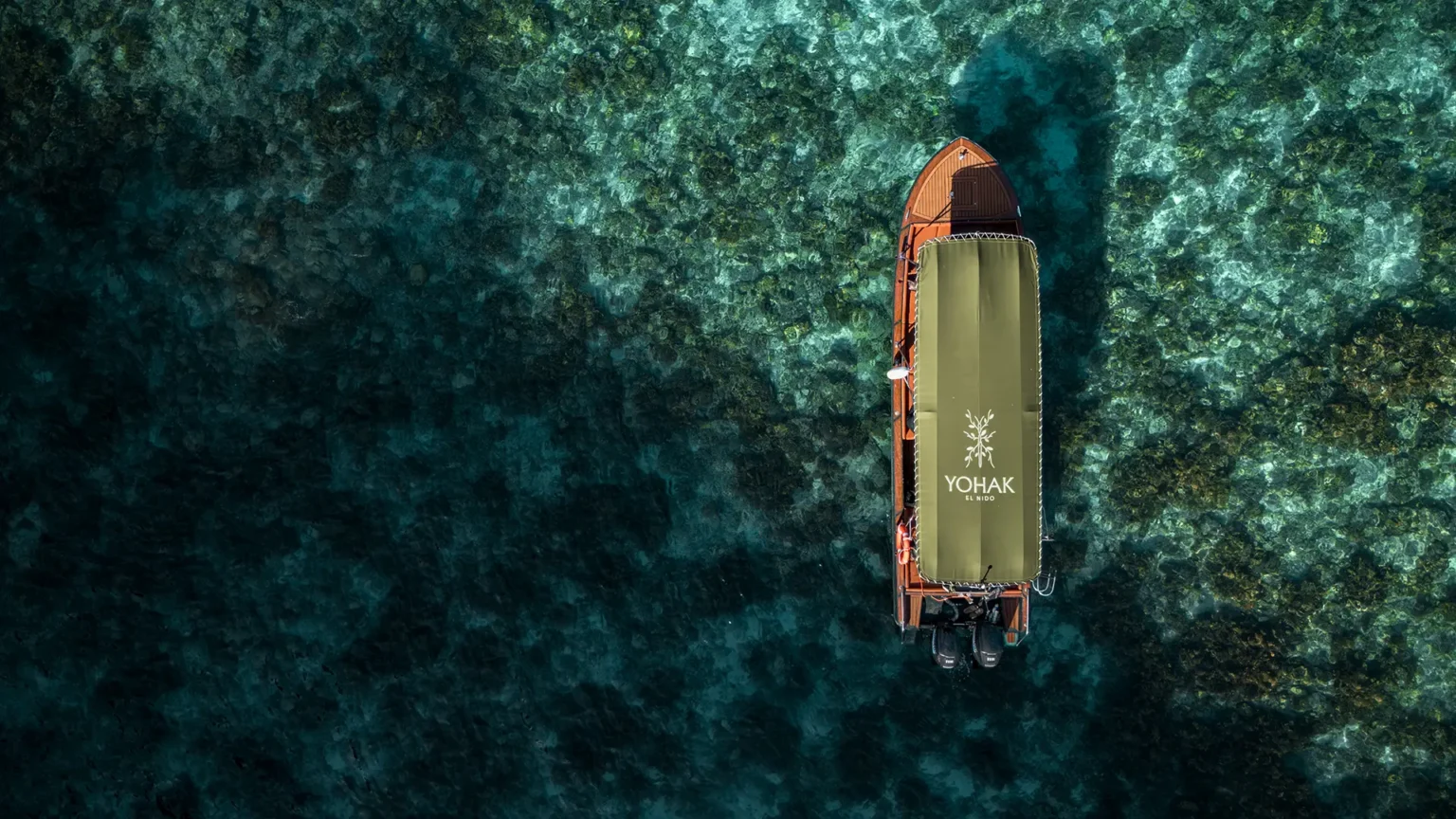
While March and April offer flawless weather, they also bring the highest volume of global tourists. To maintain your space to breathe, Yohak highly recommends late January and February. The water is cool, the skies are absolute blue, and our speedboats can easily maneuver you into private pockets of the archipelago away from the high-season traffic.
The Amihan: Clarity and Stillness (December to May)
To experience profound silence, aim for the "shoulder months" of late November or late May. You catch the fringes of the best weather while entirely avoiding the dense crowds of the peak holiday season.