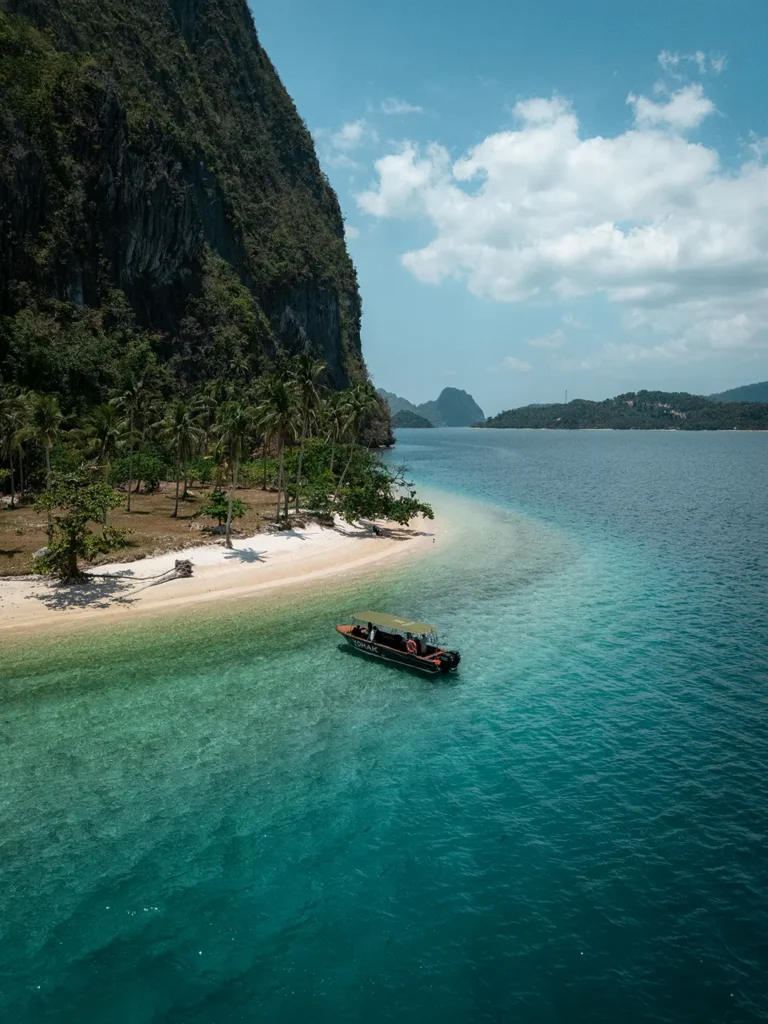
Big Lagoon is the image that sells El Nido — sheer limestone walls rising out of impossibly clear, shallow emerald water. It's the headline stop of Tour A, and for good reason. The catch: almost every boat in El Nido goes there, and by late morning the entrance can be a wall of bangkas.
The one thing that matters most: timing. Big Lagoon at 8am and Big Lagoon at 11am are two completely different places. Get there first.
How to beat the crowds
- Go first, not at leisure. The lagoon is calm, quiet and reflective early — and the light is best for photos.
- Take a speedboat. A speedboat reaches Big Lagoon in roughly 25 minutes; a traditional outrigger takes 60–90. That gap is exactly the window where the lagoon is still empty. (More on this in speedboat vs bangka.)
- Go private if you can. A private charter lets you set the order of stops — start at Big Lagoon while the group boats are still loading at the pier.
Kayak or swim?
During busy periods the local authorities often require kayaks inside Big Lagoon to protect the water and manage numbers. Kayak rental is a small extra fee, paid locally. Outside those periods you may be able to swim or wade near the entrance. Either way, water shoes and a dry bag are worth bringing.
Fees and what to bring
- Environmental fee: the El Nido Eco Tourism Development Fee, paid once, covers the lagoons.
- Kayak fee: small, only if you rent.
- Bring: reef-safe sunscreen, water shoes, a dry bag, and a waterproof phone case for the photos you'll absolutely want.
Best time of year
The calmest, clearest water is in the dry months (roughly November to May). The green season (June to October) is quieter and dramatic but weather can reshape a day. Whenever you come, the early-morning rule still wins.
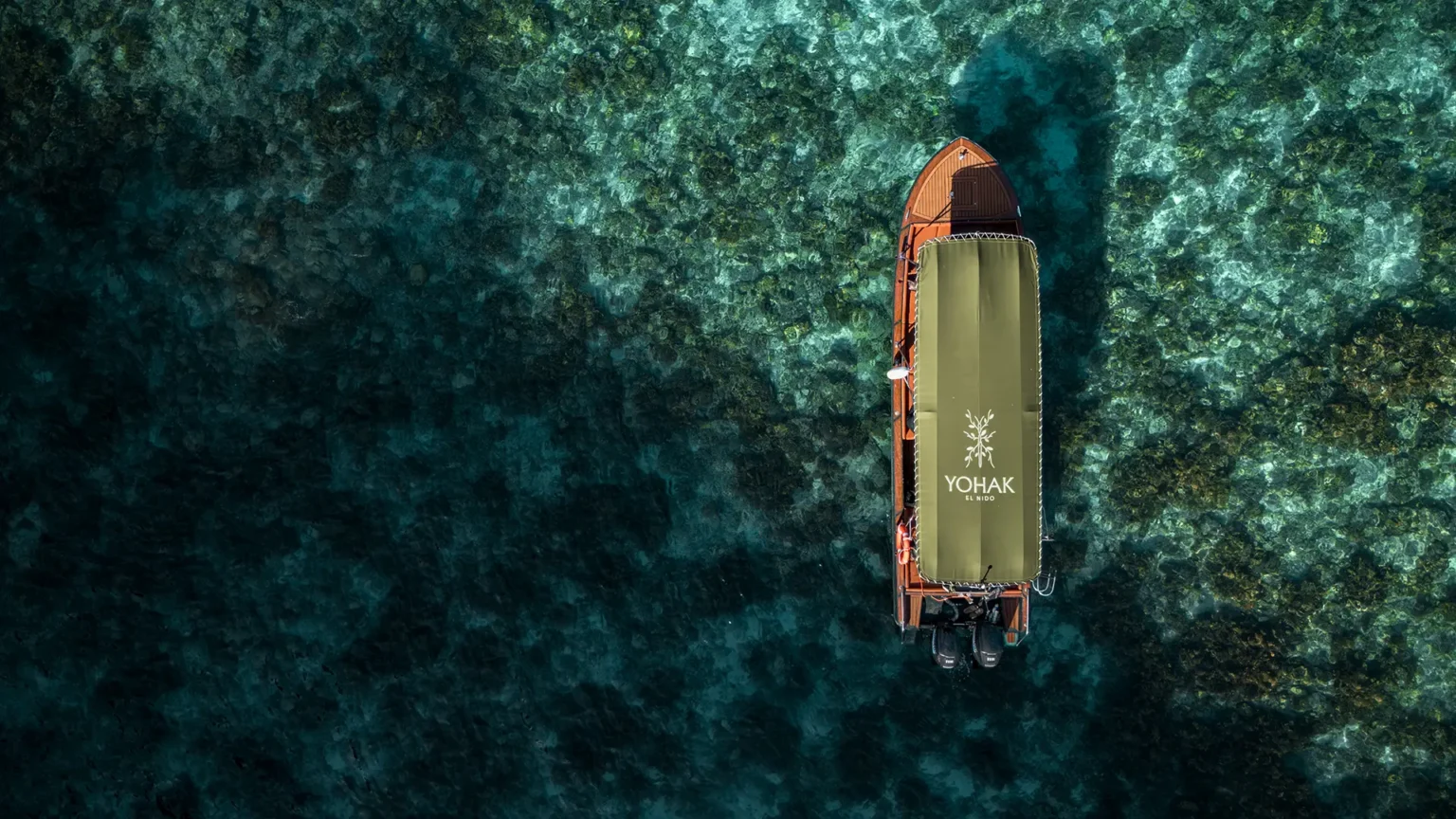
How Yohak does Big Lagoon
We build our speedboat days specifically to reach the lagoons while the water is still glass — Big Lagoon first, then push on to quieter stops before the crowds catch up. Hotel pickup, gear and lunch are included; on a private charter the route is yours to shape.